

 By
By 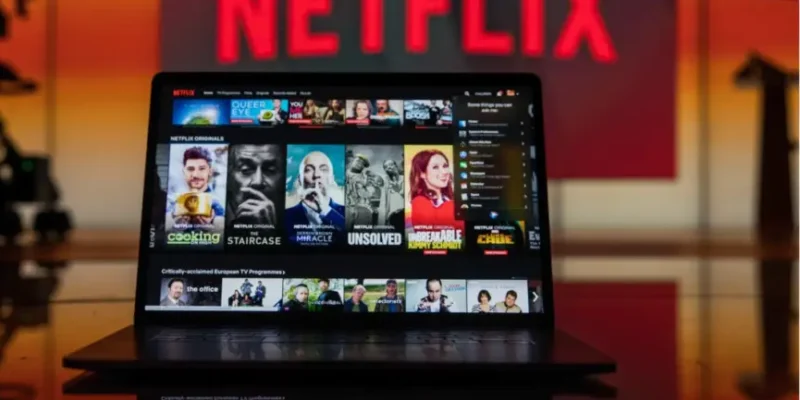
On 10th December 2025
By Amin Rabhi
Netflix has announced a definitive agreement to acquire Warner Bros., HBO, and the HBO Max streaming service from Warner Bros. Discovery (WBD) in a cash-and-stock deal valued at about $82.7 billion (€71 billion). The move represents one of the largest mergers in entertainment history and will give Netflix ownership of a vast portfolio of studios, channels, and franchises.
The acquisition is expected to close 12 to 18 months after WBD completes the planned spin-off of its Global Networks division into a new listed company called Discovery Global, now slated for completion in Q3 2026.
Under the agreement, WBD shareholders will receive $23.25 in cash and $4.50 (€3.9) in Netflix stock per share, valuing the company at $27.75 (€23.8) per share. That figure implies an overall equity value of roughly $72 billion (€61.8 billion). The deal remains subject to regulatory and shareholder approval.
Once completed, the merger will unite Netflix’s global streaming platform with Warner Bros.’ extensive content library and production power. Netflix will gain control of some of the world’s most famous franchises, including DC Comics, Harry Potter, Friends, The Sopranos, and Game of Thrones, which will sit alongside Netflix originals such as Stranger Things, Squid Game, and Bridgerton.
Netflix said Warner Bros.’ current operations — including theatrical releases — will continue, but the studio will benefit from the reach of Netflix’s international streaming network to expand its intellectual-property footprint worldwide.
HBO and HBO Max will be repositioned as premium content brands within Netflix’s future streaming tiers rather than continue as standalone services. Although final branding decisions have not been disclosed, the plan points to a multi-layered offer that combines HBO’s high-end series with Netflix’s existing catalogue.
Netflix expects to achieve $2 to $3 billion (€2.1 – 2.6 billion) in annual cost savings within three years and says the acquisition should become earnings-accretive by the second year after closing.
WBD will retain its linear and sports operations under Discovery Global, which falls outside the Netflix deal. The spin-off will include CNN, TNT Sports (U.S.), Discovery-branded channels, European free-to-air networks, and digital platforms such as Discovery+ and Bleacher Report.
This separation effectively isolates WBD’s traditional broadcasting and sports units from the film and streaming assets being sold to Netflix, allowing both businesses to pursue different strategic directions.
The agreement follows months of bidding that saw Paramount Skydance and Comcast also in the race. Paramount had proposed acquiring all of WBD — including CNN and cable networks — while Netflix and Comcast targeted only the studio and streaming segments.
Netflix’s largely cash-based proposal ultimately won support from WBD’s board due to its clarity and speed of execution. Paramount later criticized the process but is unlikely to overturn the outcome, as Warner Bros. is now contractually bound to Netflix pending regulatory review.
The deal will undergo intense antitrust examination in the U.S., Europe, and other major markets. Regulators are expected to focus on the impact of combining Netflix’s global subscriber base with HBO’s premium offering and Warner Bros.’ production capacity.
Netflix has prepared for an extended review, arguing that the merger will increase consumer choice by merging complementary strengths — Netflix’s global reach with Warner Bros.’ creative depth — rather than limiting competition.





Comments